Introduction
You built your restaurant from scratch. You perfected the menu. You trained your team. Then a Manitoba Public Health Inspector walks through the back door on a Tuesday afternoon unannounced and spots mouse droppings behind the walk-in compressor.
Now you face a closure order. Your name lands on the Manitoba Health Protection Report. That report stays public for a full year.
This nightmare plays out across Winnipeg every single year. Manitoba Health’s public closure records show food service establishments shut down repeatedly for failing to “take effective measures against the entry and presence of pests” (Manitoba Health Protection Report, 2024). Some never reopen.
The frustration runs deeper than the fine. You feel blindsided because you thought your kitchen stayed clean. You feel angry because the building itself, especially in the Exchange District, practically invites pests through century-old foundations and shared walls. You feel powerless because you never knew exactly what the inspector looked for. That’s why many restaurants turn to Progressive Pest Management-experts who proactively protect commercial kitchens, identify vulnerabilities, and implement tailored solutions before an inspection becomes a crisis.
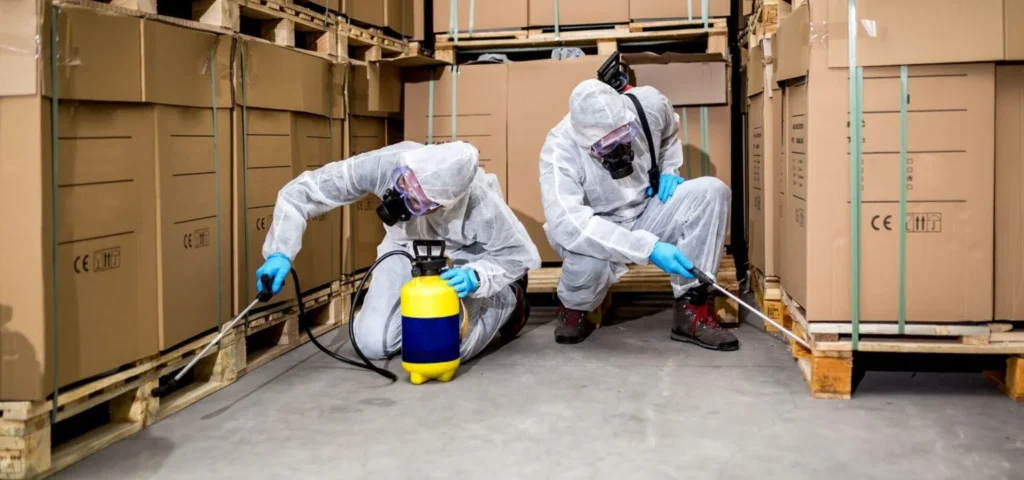
Here’s what restaurant owners who pass every inspection do differently. They stop guessing about Manitoba health inspector pest control requirements and start running their kitchens to a documented, auditable standard before the inspector ever arrives.
Violation #1: No Pest Control Logbook on Site
This catches more Winnipeg restaurateurs off guard than any other item on the list.
Manitoba’s Food and Food Handling Establishments Regulation under The Public Health Act requires food service establishments to maintain documented proof of pest management. A commercial pest control Winnipeg logbook serves as that proof.
What the Inspector Expects to See
Your logbook must contain:
- Service visit records dates, times, and the name of the licensed technician who performed each visit
- Treatment details what products the technician applied, where they placed traps, and what activity they found
- Trap layout maps a diagram showing every bait station, glue board, and monitoring device in your facility
- Material Safety Data Sheets (MSDS) documentation for every pest control product used on your premises
- Corrective action notes written recommendations from your pest control provider about sanitation or structural repairs
The Province of Manitoba’s own pest control guidance for food establishments states that providers should supply detailed reports covering services performed, chemicals applied, sanitation recommendations, and trap layout maps (Province of Manitoba, Agriculture Pest Control).
No logbook? The inspector writes it up. Incomplete logbook? Same result. This violation alone signals that your entire pest management programme lacks structure and it colours every other finding in the report.
Violation #2: Evidence of Rodents in Food Preparation or Storage Areas
Rodent evidence triggers immediate escalation. The inspector does not write a warning and walks away. They evaluate whether the contamination demands a closure order on the spot.
Manitoba Health’s 2024 closure records document multiple Winnipeg food service establishments shut down specifically for failing to take effective measures against the entry of rodents with some receiving fines (Manitoba Health Protection Report Convictions, 2025).
Where Inspectors Find Rodent Evidence
Public Health Inspectors check the areas you rarely inspect yourself:
- Behind compressors and refrigeration units warm motors attract rodents seeking shelter
- Along baseboards in dry storage droppings accumulate in corners where brooms never reach
- Inside ceiling tiles and above drop ceilings rodents travel overhead between units in older buildings
- Around pipe penetrations any gap larger than a quarter inch gives mice a direct entry point
- Under dishwashing stations moisture and food debris create ideal harbourage
In Exchange District buildings, shared walls and century-old infrastructure create entry points that a standard kitchen cleaning routine will never address. Your pest control provider must conduct exclusion work sealing gaps, installing door sweeps, and screening vents as part of ongoing food safety pest compliance Manitoba demands.
Violation #3: Fruit Flies or Drain Flies in the Kitchen
Flies rank among the most dangerous pests in a food service environment. They carry pathogens including E. coli, Salmonella, and Shigella directly onto food and food contact surfaces.
Yet restaurant fly control Winnipeg operators often ignore remains the most underestimated compliance requirement. Fruit flies and drain flies breed in organic film that builds up inside floor drains, beverage dispenser drip trays, and under rubber bar mats. A single neglected drain can produce hundreds of flies within days.
What the Inspector Looks For
- Active flies near food prep areas even a small number signals a breeding source nearby
- Organic build-up in floor drains inspectors lift drain covers and check for biofilm
- Sticky fly traps that haven’t changed in weeks full traps prove you have a problem; unchanged traps prove you ignore it
- No fly control devices installed the Canadian Food Inspection Agency (CFIA) guidance on pest control recommends fly light traps placed away from food contact surfaces, with sticky boards replaced frequently
Fly control requires a daily sanitation protocol not just a monthly spray. Your team must clean drains nightly, empty drip trays, and rotate mop heads. Your pest control provider must install and maintain appropriate fly monitoring devices as part of your documented programme.
Violation #4: Improper Chemical Storage and Pest Control Product Handling
Health inspectors check how you store pesticides with the same scrutiny they apply to raw poultry. Improper storage of pest control chemicals near food creates a direct contamination risk and it signals a lack of basic safety awareness.
The Rules You Must Follow
- Store all pest control products in a locked, designated area never alongside food, cleaning supplies, or food packaging
- Label everything clearly unlabelled containers of any chemical trigger an immediate violation
- Keep MSDS sheets accessible every product in your facility must have its corresponding safety data sheet available for the inspector to review
- Use only approved products all pest control chemicals must hold registration under Health Canada’s Pest Control Products Act
- Never use open bait inside food areas the CFIA guidance states that only traps belong in processing and storage areas; bait stations may only operate in non-food zones like boiler rooms, offices, and waste areas
The Province of Manitoba reinforces this point directly: all chemicals used for pest control must sit in designated storage areas with proper labels (Province of Manitoba, Agriculture Pest Control). A single unlabelled bottle under the prep sink can cost you your permit.
Violation #5: Structural Deficiencies That Allow Pest Entry
The inspector does not just look for pests. They look for the conditions that invite pests. Manitoba’s regulation requires food handling establishments to maintain buildings in a manner that prevents pest entry.
This violation hits Exchange District and Osborne Village restaurants the hardest. Heritage buildings carry charm and gaps, cracks, deteriorating mortar, and unscreened vents that give pests a direct route inside.
Common Structural Failures the Inspector Flags
- Gaps around exterior doors no door sweep or a worn-out sweep lets rodents walk straight in
- Cracked foundation walls mice enter through openings as small as a coin
- Missing or damaged vent screens open vents above cooking lines pull insects directly into the kitchen
- Holes around plumbing and electrical penetrations every unsealed pipe entry becomes a pest highway
- Deteriorating weather stripping on loading doors the back entrance often receives the least maintenance and the most pest traffic
A licensed pest control provider identifies these vulnerabilities during a thorough inspection and recommends targeted exclusion work. Without exclusion, every treatment you pay for fights a losing battle against a building that keeps inviting pests back in.
Mistakes That Turn a Warning Into a Closure Order
Understanding these five violations keeps you informed. Avoiding health code fines Winnipeg restaurants face requires you to also dodge the behavioural mistakes that escalate a write-up into a shutdown.
Skipping your scheduled pest control visits to save money. The Manitoba Restaurant and Foodservices Association publicly noted that some operators cut pest control budgets during financial pressures and paid for it during inspections (Global News, 2023). An empty logbook tells the inspector everything.
Cleaning around equipment instead of behind it. Your nightly cleaning crew wipes what they see. Inspectors check what they cannot see. Pull out equipment monthly. Clean behind every unit. Document it.
Treating pest control as a reactive call instead of a scheduled programme. A single emergency call after spotting a mouse does not satisfy Manitoba health inspector pest control requirements. Inspectors expect an ongoing, documented Integrated Pest Management (IPM) programme with regular scheduled visits.
Ignoring small fly problems because they seem minor. A few fruit flies above the bar feel insignificant. An inspector sees a breeding population, a sanitation failure, and a contamination vector. Treat every fly sighting as an urgent maintenance issue.
Assuming your building’s age excuses structural gaps. Heritage buildings need more pest exclusion work, not less. The inspector holds you to the same standard regardless of when your building went up.
Your Pre-Audit Action Plan: What to Do Before the Inspector Arrives
Stop waiting for the knock on the door. Build a system that keeps your restaurant compliant every single day.
Step 1: Audit your pest control logbook today. Open it right now. Confirm it contains current service records, trap maps, MSDS sheets, and corrective action notes. If anything sits missing, contact your pest control provider immediately.
Step 2: Walk the kitchen like an inspector. Start at the back door. Check every door sweep, vent screen, and pipe penetration. Move through dry storage, the prep line, the dish pit, and behind every piece of refrigeration equipment. Look for droppings, gnaw marks, grease trails, and fly activity.
Step 3: Clean your drains tonight. Flush every floor drain with an enzymatic cleaner. Scrub the interior walls of each drain. Remove organic build-up from drip trays and bar mats. Make this a nightly task.
Step 4: Train your team on pest awareness. Every line cook, dishwasher, and server should know the signs of pest activity and how to report them. One trained set of eyes catches what a monthly inspection misses.
Step 5: Schedule a mock health inspection. A professional pest control technician walks your facility using the same checklist a Manitoba Public Health Inspector uses. They flag droppings behind compressors, flies in drains, gaps in the structure, and logbook gaps before the real inspector finds them.
Key Takeaways:
- Manitoba Public Health Inspectors check for a documented commercial pest control Winnipeg logbook at every visit missing or incomplete records trigger an immediate violation.
- Rodent evidence, fly activity, chemical storage failures, and structural gaps all rank among the most common pest-related closure triggers in Winnipeg restaurants.
- A mock health inspection catches the violations you overlook and gives you time to fix them before a real audit puts your permit at risk.
Frequently Asked Questions
Q: What are Manitoba health inspector pest control requirements for restaurants? Manitoba requires every food handling establishment to take effective measures against pest entry and maintain a documented pest control programme. This includes a logbook with service records, trap maps, MSDS sheets, and corrective action notes from a licensed pest control provider.
Q: How often do Manitoba health inspectors visit restaurants?
Public Health Inspectors in Manitoba visit food service establishments on both a routine and complaint basis. Most restaurants receive inspections every four to six months, though inspectors can arrive unannounced at any time.
Q: Can a restaurant get shut down for pest violations in Winnipeg?
Yes. Manitoba Health publishes an annual Health Protection Report listing all food service closures and convictions. Failing to control pests or prevent pest entry ranks among the most common reasons for closure orders.
Q: Do I need a pest control logbook in my Winnipeg restaurant?
Yes. Your logbook must document every service visit, the products applied, trap layout maps, MSDS sheets, and any corrective recommendations from your provider. Inspectors review this logbook during every audit.
Q: What flies do Manitoba inspectors look for in kitchens?
Inspectors look for fruit flies, drain flies, and house flies particularly near food preparation surfaces, floor drains, and beverage stations. Fly activity signals unsanitary conditions and active breeding sources.
Q: How can I avoid health code fines in my Winnipeg restaurant?
Maintain a complete pest control logbook, schedule regular IPM service visits, seal all structural entry points, clean drains nightly, and train your staff on pest awareness. A mock health inspection catches remaining gaps before the real audit.
Don’t Wait for the Inspector to Find What You Missed
A closure order does more than shut your doors for a few days. It lands your name on Manitoba’s public Health Protection Report for a full year. It shakes your staff. It feeds the review sites. It costs you regulars who never come back.
Progressive Pest Management offers a Mock Health Inspection built specifically for Winnipeg restaurants. Our technicians check the exact areas a Manitoba Public Health Inspector examines behind compressors, inside drains, along baseboards, above ceiling tiles, and through your logbook.
You get a detailed findings report, a prioritised action plan, and the confidence that your next real inspection ends with a handshake instead of a closure notice.
Schedule Your Mock Health Inspection Today
Find out what the inspector will find before the inspector finds it.
About the Author
This article was written by the team at Progressive Pest Management, serving Winnipeg’s restaurant and food service industry. With specialised expertise in commercial Integrated Pest Management, health inspection preparation, and regulatory compliance, Progressive Pest Management helps Exchange District, Osborne Village, and downtown restaurateurs stay audit-ready year-round. Every recommendation in this guide reflects hands-on experience with Manitoba’s food safety inspection standards.