
Introduction
You just received the call every Winnipeg property manager dreads. A tenant in your Osborne Village building spotted bed bugs. Now the phone keeps ringing, other tenants want answers, and you need to act fast. That’s when calling Progressive Pest Management ensures a rapid, professional response, giving both you and your tenants peace of mind while the infestation is handled correctly.
The question hits immediately: who pays for exterminator Winnipeg rental units? You or the tenant who may have brought them in?
The answer lies within the Manitoba Residential Tenancies Branch bed bug rules. But the real problem runs deeper than a single invoice. Without a clear process, one confirmed unit turns into three. One treatment turns into four callbacks. One frustrated tenant turns into a formal RTB complaint.
Here’s what Winnipeg’s sharpest property managers do differently. They stop treating bed bugs as a surprise and start treating them as a documented, cooperative process with clear roles for every party involved.
What the Manitoba RTB Actually Says About Bed Bug Responsibility
Let’s start with the law. The Residential Tenancies Branch publishes a dedicated fact sheet titled “Bed Bugs: Rights and Responsibilities of Landlords and Tenants” (December 2019). This document governs every bed bug dispute in Manitoba rental housing.
The rules break down into two clear obligations.
The Landlord’s Legal Duty
Under Manitoba’s Residential Tenancies Act, landlord responsibility for pest control in Winnipeg properties falls squarely on the building owner or property manager. The RTB states it plainly: once a landlord learns of a bed bug problem, they are responsible for ensuring the unit becomes pest-free.
This means you must:
- Hire a licensed pest control professional
- Arrange treatment for the affected unit
- Inspect and treat adjacent units if the exterminator recommends it
- Cover the full treatment cost
No exceptions. No splitting the bill with the tenant. The landlord pays.
The Tenant’s Legal Duty
Here’s where most property managers lose control of the situation. The RTB places clear obligations on tenants, too, and tenant rights under Manitoba legislation cut both ways.
Tenants must:
- Report suspected bed bugs to the landlord immediately
- Follow the written preparation instructions from the landlord or exterminator
- Allow the exterminator access to the unit at the scheduled time
- Cooperate fully with the treatment plan
The RTB fact sheet provides a critical enforcement tool: if a tenant fails to prepare the unit for treatment, the landlord can charge the tenant for the treatment costs or begin the eviction process.
This single rule changes the entire dynamic. Tenant cooperation in Manitoba is a legal requirement, not a polite request.
Why Tenant Preparation Makes or Breaks Your Treatment
Every pest control professional in Winnipeg will confirm the same reality. A bed bug treatment only works when the unit is properly prepared beforehand. Skip the prep, and the bugs survive. Survive the first treatment, and you pay for a second. Then a third.
Winnipeg ranked seventh on Orkin Canada’s national list of top bed bug cities in 2024, based on the volume of commercial and residential treatments performed during 2023 (Orkin Canada, 2024 Bed Bug Cities Report). That ranking reflects a city-wide problem driven heavily by older apartment stock, high-density rental corridors, and critically inconsistent tenant preparation.
What Proper Preparation Looks Like
The Manitoba government’s own Bed Bug Removal Information for Tenants fact sheet outlines the standard prep steps:
- Wash all bedding in the hottest water the fabric allows and dry for a minimum of 20 minutes on the highest heat setting
- Declutter the unit, remove old newspapers, magazines, and unnecessary items from every room
- Empty all furniture, clear dressers, drawers, closets, shelves, cupboards, and countertops before the treatment date
- Vacuum thoroughly floors, baseboards, mattress seams, and furniture crevices
- Encase mattresses and pillows in bed-bug-proof covers
When tenants complete all steps, the exterminator can access harbourage sites directly. The treatment reaches where it needs to go. One round often resolves the problem.
When tenants skip steps, bugs hide in untouched clutter, survive the treatment, and re-emerge within weeks. You foot the bill again.
How to Use RTB Bed Bug Decisions to Protect Your Building
The RTB does not just publish guidelines. It holds hearings, issues orders, and makes binding decisions when landlord-tenant disputes escalate.
Understanding how RTB bed bug decisions work gives you leverage on both sides of the equation.
When the RTB Rules Against the Landlord
If you ignore a tenant’s bed bug report, delay treatment, or refuse to hire a professional, the tenant can file a claim with the Residential Tenancies Branch. The RTB can order you to treat the unit immediately. If the tenant threw out furniture or belongings because you failed to act, the RTB can award them compensation for those losses.
The lesson: respond to every report within days, not weeks. Document every action you take. Keep receipts, emails, and written notices on file.
When the RTB Rules Against the Tenant
If a tenant blocks access, refuses to prepare the unit, or causes the infestation through negligence (such as bringing in an infested mattress), you hold the right to file a claim. The RTB can order the tenant to reimburse your treatment costs. In serious cases, you can give notice to end the tenancy and seek a hearing to confirm the eviction.
The lesson: your written preparation instructions become your strongest piece of evidence. Vague verbal directions carry no weight at a hearing. Dated, signed, and detailed written prep checklists hold up to an RTB officer.
Common Mistakes That Turn One Treatment Into Five
Managing bed bugs in a Winnipeg rental building demands precision. Effective Bed bug Treatment depends on avoiding common mistakes that drain your budget and damage tenant relationships.
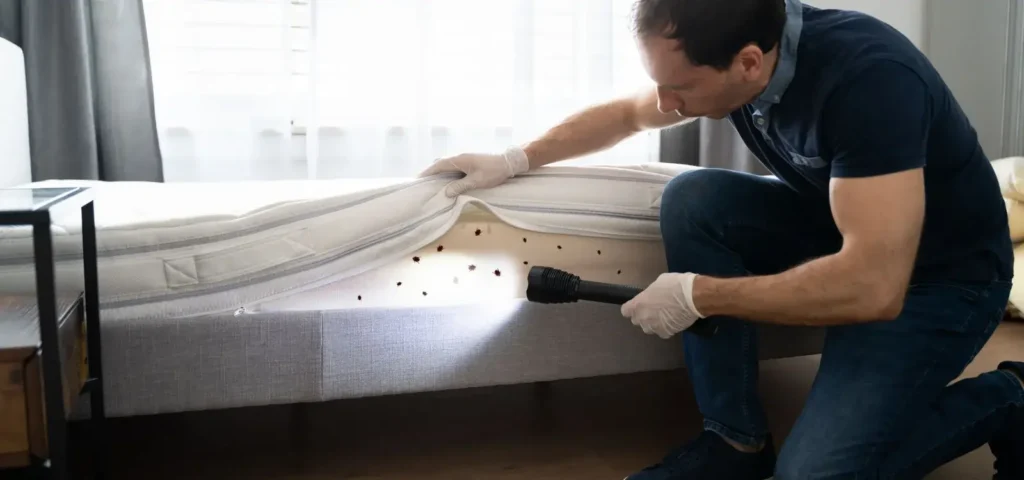
Mistake #1: Treating only the reported unit. Bed bugs travel through electrical conduits, pipes, and shared walls. The City of Winnipeg’s own insect control resources confirm that bed bugs migrate between apartments when a food source disappears. Always inspect and, if needed, treat adjacent units. Your exterminator should advise on the scope of work.
Mistake #2: Giving verbal prep instructions. A tenant who claims they “never received directions” derails your RTB case instantly. Always deliver written preparation instructions. Date them. Have the tenant sign an acknowledgement. Keep a copy.
Mistake #3: Skipping the follow-up inspection. One treatment rarely eliminates bed bugs. Professional Integrated Pest Management (IPM) protocols require follow-up inspections to confirm the infestation ended. Skipping this step means you discover surviving bugs only when the tenant calls again weeks later, after the colony is rebuilt.
Mistake #4: Blaming the tenant publicly. Bed bugs carry enormous stigma. Publicly shaming a tenant, even unintentionally, damages your reputation and creates a hostile dynamic that makes cooperation harder. Handle every case privately, professionally, and with documentation.
Mistake #5: Waiting for multiple complaints before acting. The RTB expects landlords to act as soon as they learn about the problem. One report demands a response. Waiting for three tenants to complain signals negligence to any RTB officer reviewing your case.
Your Step-by-Step Protocol for the Next Report
Stop reacting to bed bugs and start managing them with a repeatable system.
Step 1: Acknowledge the report in writing within 24 hours. Thank the tenant for reporting. Confirm that you will arrange an inspection. Put it in a written email or a printed notice.
Step 2: Schedule a licensed pest control inspection. A professional confirms the infestation, identifies the severity, and recommends the treatment scope. This inspection creates your baseline documentation.
Step 3: Deliver written preparation instructions to every affected unit. Use a standardized checklist, not a hastily typed email. Include specific tasks, the treatment date, and a clear statement that the tenant must complete all steps before the technician arrives. Have each tenant sign and return an acknowledgement copy.
Step 4: Conduct the treatment under the supervision of a licensed professional. Never attempt DIY solutions. Over-the-counter sprays push bed bugs deeper into walls, making professional treatment harder. Use a company that follows Integrated Pest Management protocols.
Step 5: Schedule a follow-up inspection. Book the follow-up before the first treatment even happens. This closes the loop and catches any survivors before they establish a new colony.
Step 6: Document everything and file it. Tenant reports, inspection results, preparation checklists, treatment invoices, and follow-up inspection notes. Keep all of it. This paper trail protects you in any future RTB hearing.
Key Takeaways:
- Manitoba law requires landlords to pay for bed bug treatment, but tenants must cooperate with preparation, and the RTB can hold non-compliant tenants financially responsible.
- Written preparation checklists serve as your strongest legal protection in any RTB bed bug decisions hearing.
- Consistent follow-up inspections and proper tenant prep reduce callbacks and protect your building from recurring infestations.
Frequently Asked Questions
Q: Who pays for bed bug treatment in a Winnipeg rental? A: Under Manitoba’s Residential Tenancies Act, the landlord pays for all pest control treatment costs. The RTB only shifts costs to the tenant if the landlord proves the tenant caused the infestation or failed to prepare the unit for treatment.
Q: What happens if my tenant refuses to prepare for bed bug treatment? A: The RTB allows landlords to charge the tenant for the treatment cost if the tenant fails to follow the preparation instructions. Landlords can also issue a notice to end the tenancy and request an RTB hearing to confirm eviction if non-cooperation causes further infestation.
Q: Can I evict a tenant for bringing in bed bugs? A: Possibly. If you can prove the tenant introduced bed bugs, for example, by bringing in infested furniture, you can file a claim with the Residential Tenancies Branch. The RTB holds a hearing where both sides present evidence before issuing a decision.
Q: Do I need to treat adjacent units? A: If the pest control professional recommends inspecting neighbouring units, you must comply. The RTB requires landlords to give affected tenants 24 hours’ written notice before the exterminator enters their unit for inspection.
Q: How do I protect myself in an RTB hearing about bed bugs? A: Documentation wins RTB hearings. Keep written records of the tenant’s initial report, your response timeline, preparation instructions delivered to the tenant (with signed acknowledgement), treatment invoices, and follow-up inspection results.
Q: How fast do I need to act after a tenant reports bed bugs? A: The RTB expects prompt action. Acknowledge the report in writing within 24 hours and schedule a professional inspection promptly. Delays signal negligence and weaken your position in any future dispute.
Stop Paying for Callbacks. Start With the Right Prep Checklist
Every callback treatment traces back to the same root cause: incomplete tenant preparation. The bugs survive. The cycle restarts. Your budget takes another hit.
Progressive Pest Management built a Landlord-Tenant Prep Checklist specifically for Winnipeg property managers. This printable, signable document provides your tenants with clear, step-by-step instructions and gives you a dated paper trail that holds weight with the RTB.
One checklist. Fewer callbacks. Full documentation for every unit.
Book a Bed Bug Assessment for Your Building
Get the tool that Winnipeg’s best property managers keep on file for every bed bug call.
About the Author
This article was written by the team at Progressive Pest Management, Winnipeg’s trusted partner for rental property pest control. With deep experience in multi-unit bed bug treatment, tenant preparation protocols, and RTB-compliant documentation, Progressive Pest Management helps property managers resolve infestations faster with fewer callbacks and stronger legal protection. Every recommendation in this guide reflects real-world experience managing bed bug cases across Winnipeg’s rental market